
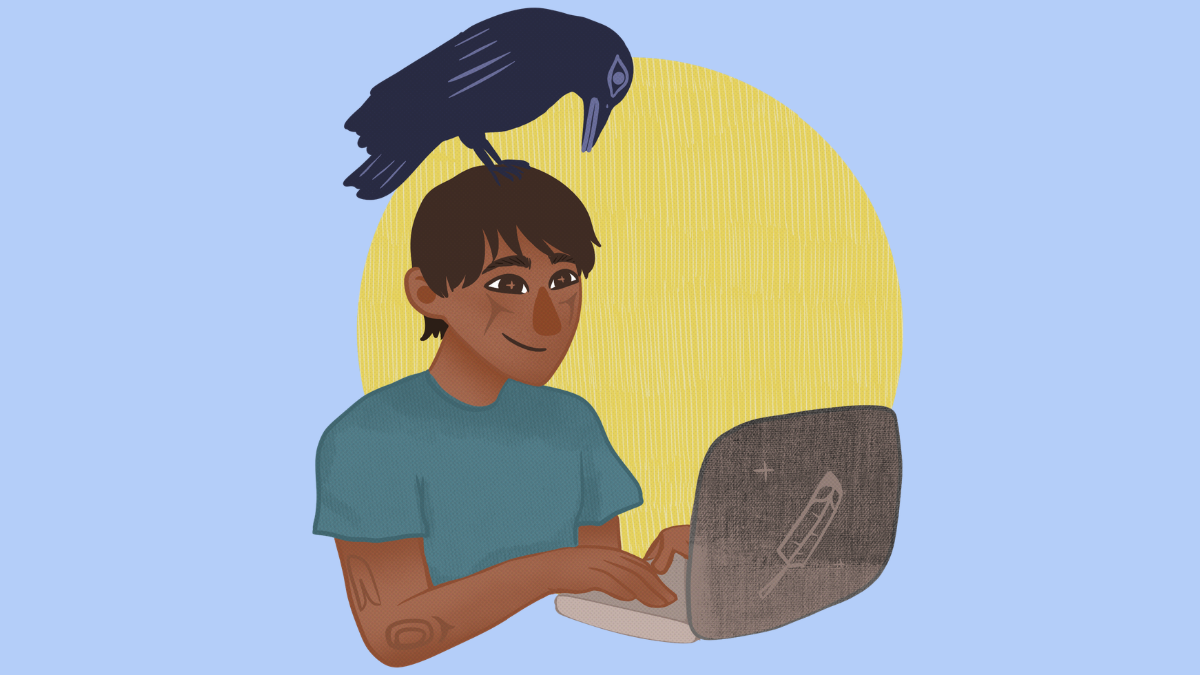
On September 9, we were joined by Chelsea Nakogee from Wabusk Data Solutions and Danielle Boyer from The STEAM Connection in a webinar to hear their perspectives on how Indigenous Peoples, organizations and communities can engage with AI in ways that centre responsibility, governance and community priorities.
The webinar also gave us an opportunity to introduce the new AI resources available through our Learning Platform and to continue sharing together the opportunities AI may offer, the concerns that come with it, and the questions we are continuing to work through together.
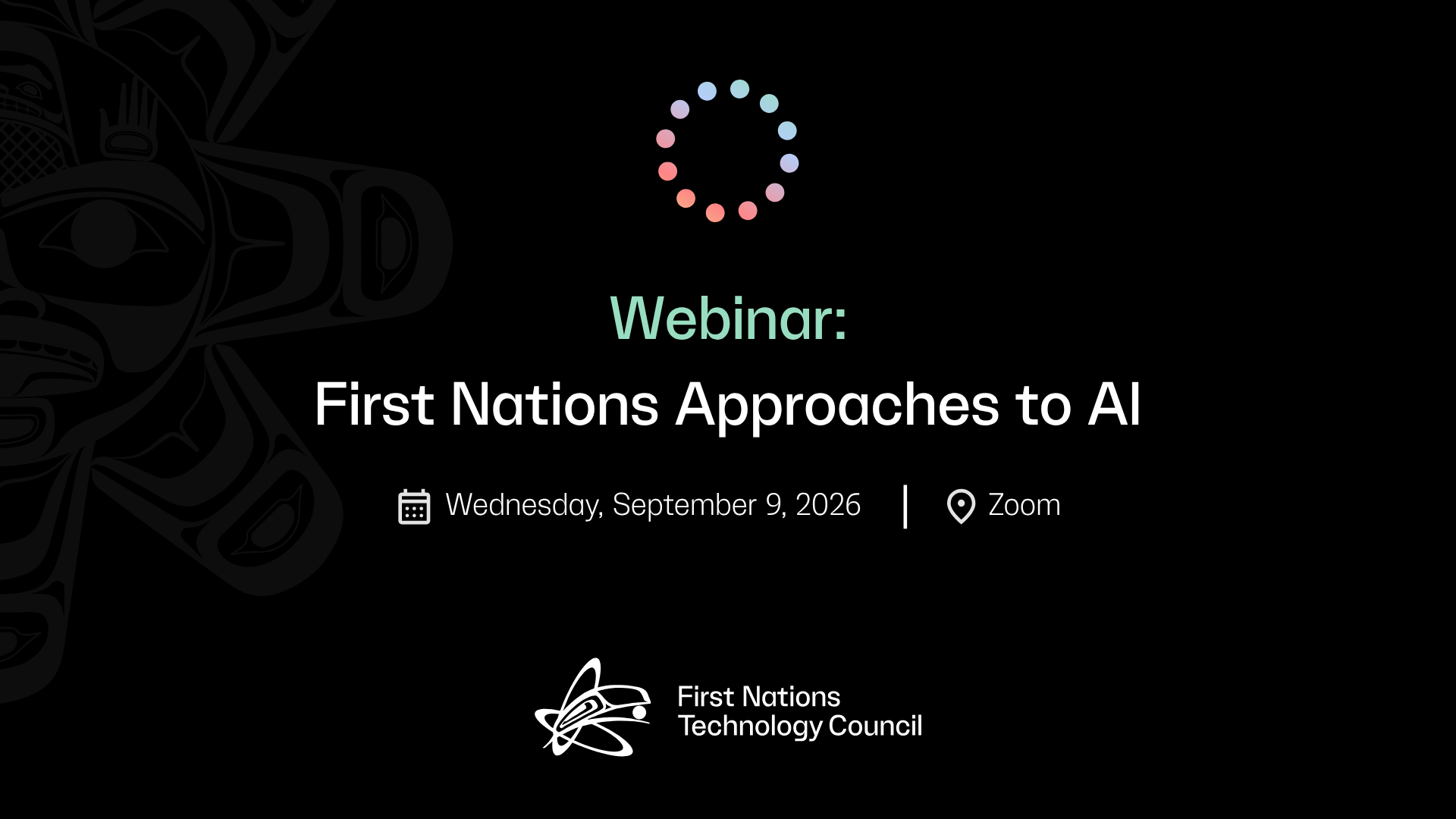
WATCH WEBINAR: First Nations Approaches to AI
We were so grateful to everyone who joined to share their experiences, ask questions and continue learning together. We continue to hear excitement about what AI might make possible and very real concerns about privacy, data governance, cultural safety, accuracy, bias and control. With AI already shaping the digital world that First Nations are navigating, we’re here to support people and organizations to consider how these tools might fit into their work.
Questions about AI that we’re working through together
During the webinar, we heard from Danielle about her Skobots, which are personal, wearable and interactive Indigenous language revitalization robots that respond to being spoken to in the voices of Indigenous children in the endangered Indigenous language Anishinaabemowin, using ethical, sustainable and internally developed AI.
She shared three important questions to ask before using an AI tool:
- Who built this, and who did they build it for?
- Whose data trained it, and did those people agree?
- Who has the power to correct it or say no?
Participants asked practical questions about where to begin with AI and what organizations should be asking vendors before trusting AI tools with sensitive or restricted information.
They raised important questions about Indigenous Data Sovereignty, including what protections exist when cultural knowledge, recordings or other representations of a Nation’s stories are used by AI without explicit consent; how people can begin advocating for data sovereignty principles within their organizations; and what privacy, security and governance considerations should be assessed before AI tools are used.
The potential for AI to support language revitalization was another important part of the conversation, alongside questions about how communities can begin exploring these technologies while keeping ownership and control of language data with the community from the outset.
Indigenous Data Sovereignty at the centre
These questions are why our AI resources on the Learning Platform are centred around Indigenous Data Sovereignty.
Concerns about what happens to Indigenous data and knowledge when AI systems are used came through consistently in our engagement, and they were reinforced by what we heard from Danielle, Chelsea and webinar participants.
Questions about where information goes, who controls it, how it might be reused, what rights communities have over that information, and how data governance frameworks can be applied in practice cannot be separated from conversations about AI adoption.
Our Learning Platform is designed to help people explore these questions while also building their understanding of AI and how it can be used.
Resources are centred around:
- Getting started with a foundational understanding of what AI is, what it can do, how it works and the systems behind it.
- What Indigenous Data Sovereignty means in the age of AI and introducing frameworks for Indigenous data governance.
- Community stories of practical uses of AI and Indigenous-led innovation and showing how Indigenous people, organizations and businesses are engaging with these technologies to support their own work, communities and goals.
- Practical guides designed to help people and organizations apply what they have learned to real decisions, including evaluating AI tools, developing privacy policies, creating AI disclosure statements and acceptable-use policies, and using prompts more effectively.
You can start your learning journey with our AI resources here.
Getting started with intention and responsibility
Chelsea from Wabusk Data, who worked with us to develop these AI resources, shared an approach for Nations thinking about how to begin engaging with AI. Rather than starting with the technology itself, she encouraged people to consider four areas:
- What problem are we actually solving?
- Who decides, and how?
- Who is affected, and are they included?
- Are we prepared to carry the ongoing responsibility that AI requires?
These questions offer another useful reminder that adopting AI is not simply about choosing a tool. It is about making thoughtful decisions about whether that tool supports the needs, responsibilities and priorities of the people and organizations using it.
Thanks again to everyone who took the time to join the webinar. We continue to be inspired by our speakers and participants who shared their experiences, questions, ideas and concerns. This work is an ongoing learning process, and we are on that journey with you.
You can continue sharing your questions and perspectives with us at research@technologycouncil.ca.